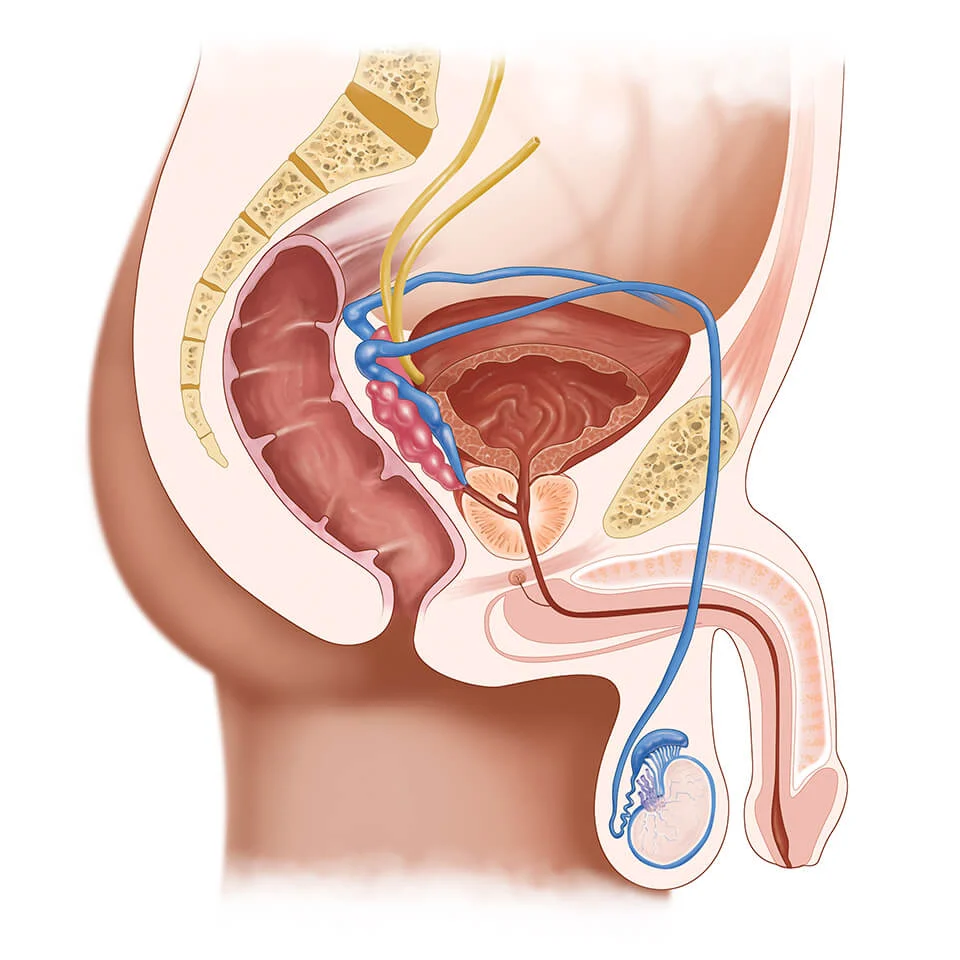
A vasectomy reversal is a surgical procedure designed to restore fertility in men who have
previously undergone a vasectomy. While a vasectomy is intended to be a permanent form of
contraception, many men reconsider their decision for various reasons, such as changes in
relationship status or the desire to have more children.
Types of Vasectomy Reversal Procedures
- Vasovasostomy: This is the most common type of reversal, where the surgeon reconnects
the
two ends of the vas deferens, the tube that carries sperm from the testicles to the urethra.
- Vasoepididymostomy: If the vas deferens is blocked, this procedure connects the vas
deferens
directly to the epididymis, the structure that stores sperm.
Factors Influencing Success Rates
Several factors can impact the success of a vasectomy reversal, including:
- Time Since Vasectomy: Generally, the shorter the time since the original vasectomy, the
higher
the chances of successful sperm recovery and pregnancy.
- Age and Health of the Partner: The fertility health of the female partner can also play a
significant role in achieving pregnancy post-reversal.
- Surgeon’s Experience: Choosing a skilled surgeon specializing in male reproductive
surgery can
significantly affect outcomes.
What to Expect During Recovery
Recovery from a vasectomy reversal typically involves:
- Post-Operative Care: Patients are advised to rest for a few days, avoid heavy lifting,
and
follow any specific care instructions provided by their surgeon.
- Follow-Up Appointments: It’s essential to attend follow-up visits to monitor healing and
sperm
analysis, which helps assess the success of the procedure.
Conclusion
A vasectomy reversal can offer hope for men wishing to expand their families after a previous
decision for permanent contraception. If you're considering this procedure, consult with a qualified
urologist to discuss your options, the potential for success, and any concerns you may have. Reclaim
your fertility and take the first step towards growing your family!